Is your child ready for school?
A guide for parents and carers in Worcestershire with children starting school.
Starting school is an exciting milestone. The information below brings together national expectations and local support aiming to help you and your child feel prepared and confident when they are ready to start school.
The journey starts at home
Your child will experience new routines, people and activities when they start school. Practicing the basics helps them feel secure.
All children develop at their own pace. Practising skills gradually and through play at home helps children feel confident, independent and ready for school life.
Try:
- adding learning into play and daily routines
- introducing skills slowly
- using fun, playful activities
- praising effort (“You tried really hard!”)
- making time for stories and conversations
More support
If your child has additional needs
Some children need more support to settle, early conversations with school will help with this.
Share with the school if your child:
- has suspected or confirmed SEND
- has developmental differences or delays
- is summer‑born
- speaks English as an additional language
- uses strategies that help at home
Schools can:
- use visual timetables
- offer staggered transitions
- provide calm spaces
- work with SEND specialists
Local support
National support
Starting reception
Children learn the skills below gradually and at their own pace.
Growing independence
Such as:
- putting on and taking off coat and shoes
- using the toilet and washing hands
- getting dressed with some help
- using a fork or spoon and open cup
- spending short periods away from caregivers
More support
- How do I make separating from my toddler easier?
- Getting dressed by yourself: How to teach your child - BBC Tiny Happy People
Play, creativity and curiosity
Such as:
- imaginative play
- drawing, painting, sticking
- talking about story characters
- exploring nature
More support
- Role play with toddlers: Playing pretend animals - BBC Tiny Happy People
- Follow your child's interests when playing (YouTube)
- How to play pretend role play with your child - BBC Tiny Happy People
- Drawing fun - BBC Tiny Happy People
- Mark-making
Relationships and communicating
Such as:
- sharing and taking turns
- naming and understanding feelings
- setting simple boundaries
Communication and language
Such as:
- singing songs and rhymes
- talking about their day
- asking for help
- recognising their name pattern
More support
- Learning conversations: 3 to 5 years - Best Start in Life - NHS
- Getting children to tell stories - BBC Tiny Happy People
Listening and engaging
Such as:
- paying attention briefly
- following simple instructions
- trying again when things get tricky
More support
- CBeebies Parenting: Making story time magic
- How Onomatopoeia & Sound Words Help Children's Language Learning - BBC Tiny Happy People
- Talking to your child when you’re out and about
- Make a Cardboard Telescope - BBC Tiny Happy People
- Red Light, Green Light: Activity for 4-year-olds - BBC Tiny Happy People
Physical development
Such as:
- running, climbing, jumping
- catching a large ball
- puzzles, cutting, sticking
More support
- Physical activity guidelines for children (under 5 years) - NHS
- Healthy Movers Families - Youth Sport Trust
- EYFS – Physical development – Core strength and co-ordination
- The iceberg game: Activity inspiration for pre-schoolers - BBC Tiny Happy People
Healthy routines
Such as:
- consistent bedtimes
- limiting screen time
- balanced diet
- brushing teeth twice daily
More support
Healthy habits
Healthy habits make a huge difference to how confidently children cope with the transition to school.
Sleep routines
Good sleep helps children with attention, behaviour, emotional regulation and learning.
Tips:
- most 4 to 6‑year‑olds need 10 and a half to 11 and a half hours of sleep each night
- try a predictable routine each evening e.g. bath, story, quiet time, bed
- avoid screens for at least 1 hour before bedtime as blue light can make it harder to fall asleep
- keep wake‑up and bedtime roughly the same every day
More support
- Sleep in babies and children
- Sleep and young children - NHS
- Baby and toddler bedtime routine: Top tips for parents - BBC Tiny Happy People
Eating well and supporting energy and growth
A balanced diet helps children concentrate and feel their best.
Tips:
- offer three meals and 2 to 3 small snacks a day
- include a mix of fruit, vegetables, protein, dairy (or alternatives), and wholegrains
- many children are fussy eaters at this age, this is very common
- keep offering new foods gently without pressure; small tastes count
- practice lunchbox skills (opening pots, packets, and drink bottles) before September
More support
- Healthy eating
- Lunchbox ideas and recipes – Healthier Families - NHS
- The Eating Badge: How can I help my child make healthy food choices? - BBC
- What makes a great kid's packed lunch? - BBC Food
- Help for early years providers : Nutrition
- Healthier Families - NHS
- Five tips for helping your kids to eat healthily all year round - BBC Bitesize
- Eating Well resources — First Steps Nutrition Trust
- Healthy eating for children
Healthy teeth
Information about your child's oral health:
- brush teeth twice daily with fluoride toothpaste (1350–1500 ppm fluoride)
- help or supervise brushing until age 7.
- water and milk are the best drinks; keep juice and sugary drinks to a minimum
- NHS dental care is free for children, and regular check‑ups are important, see: Find a dentist - NHS
More support
- Look after your teeth
- Brushing kids' teeth and taking children to the dentist - BBC Tiny Happy People
- The Children's Toothbrushing Guide - Starting Reception
Movement and outdoor play
Active play builds strength, balance, coordination, supports emotional wellbeing and helps to develop physical confidence.
- children aged 3 to 5 benefit from at least 3 hours of movement spread across the day
- mix energetic play (running, climbing, dancing) with calmer fine‑motor play (puzzles, threading, drawing)
- outdoor play supports sleep, resilience, risk‑taking skills and curiosity
- Worcestershire has many green spaces ideal for low‑cost activity
More support
Support from your health visitor
You can find support at Well Child clinics which take place at Family Hubs and locations across Worcestershire. They are open to families with children under the age of 5:
Health visitors can support you through the early years of your child's life, where necessary. Including advice around:
- sleep
- development
- toilet training
- growth
- feeding and starting solid foods
To book onto the Well Child clinics:
- phone: 01905 520032
Remember to bring your baby's record book with you to each appointment.
If you prefer to speak to a health visitor over the phone, you can call the Telephone Advisory Service (TAS) on:
- phone: 01905 520032
The service is available Monday to Friday 9:00am to 1:00pm.
For more information, see:
School health screening
About School Screener
School Screener is the secure online system used to carry out reception health screening. It helps schools to:
- share important health messages with you
- collect your child’s health information safely
- monitor your child’s health as they grow
All information is handled in line with NHS privacy, data protection and accessibility standards.
Completing the questionnaire
Around mid‑September, you will receive a letter from the School Health Nursing Team.
This letter includes a personal link that allows you to set up your Parent Portal account. You can complete the questionnaire using any phone, tablet or computer.
Parent Portal
The Parent Portal allows you to:
- fill in your child’s online health questionnaire
- receive instant messages or advice from our team
- view your child’s results letters quickly and easily
Do I have to take part?
Taking part is your choice.
If you prefer not to be involved, you do not need to do anything.
If the questionnaire is not completed, we will understand that you have chosen not to take part in the Reception Health Screening Programme.
More information
Attendance, illness and vaccinations guidance
Attendance
Find out about school attendance here:
- Attendance information for parents and carers
- Children and young people in settings: Exclusion table - when and how long you should stay off with illnesses - GOV.UK
Vaccinations
Children should be up to date with:
- MMR
- pre‑school booster
- flu vaccine (offered in school)
Keep your child home if they have:
- fever
- vomiting and diarrhoea (48 hours)
- are too unwell to participate
They can usually attend with:
- mild cold
- cough
- minor tiredness
More information
Practical school preparation
Starting school often means gathering a few things, but it doesn’t need to be expensive. Your school will provide you with further details.
What your child needs:
- uniform or school‑coloured clothing
- school shoes or sturdy trainers
- water bottle
- book bag
- coat
- PE kit
- spare clothes in first weeks
Uniform exchanges and community support:
- school‑run exchanges
- community uniform banks
- Facebook parent groups
- charity shops
Find more support here:
Eating skills that help your child get ready for school
In reception, Year 1 and Year 2 children will be provided a free hot school meal every day.
Supporting your child to build simple eating skills can make school lunchtimes much easier and more enjoyable. You can help by practicing:
- using a knife and fork - encourage steady hand position, small movements, and starting with softer foods, sitting well at a table with feet supported helps children learn cutlery control
- eating at a table - this helps children focus on their food, copy others, and learn social mealtime routines, good posture and a stable surface (chair, table, or booster) make eating easier and safer
- minimising screens during meals - screens can distract children from learning how to eat, chew and use cutlery, and they reduce the social experience of eating together
- practicing at relaxed times - outside mealtimes you can try role‑play with teddies, playdough cutting, or pretend picnics to build confidence
- using child‑sized cutlery - small, easy‑grip handles help children hold a fork or knife correctly and develop better control
Encouraging these early routines helps children feel more confident at lunchtime, enjoy eating with friends, and reduces mealtime stress for both families and school staff.
More support
Understanding Your Child - free online parenting course
Understanding Your Child is a free online course for parents and carers in Worcestershire. It uses simple ideas to help you understand how your child feels, behaves and learns.
This course can help you:
- understand your child’s feelings and behaviour
- support your child to manage big emotions
- build calm routines for mornings and bedtimes
- strengthen communication and relationships
- learn quick, everyday tips that make family life easier
You can do it on your phone, tablet, or computer, at your own pace.
How to access
Go to:
- Understanding your child: from toddler to teenager - Togetherness
- use the access code: ParentsRock
Useful links
Find more support here:
- 5 tips to help your child prepare for the transition to Reception
- Be School Ready
- Starting Reception
- Starting School
- EasyPeasy App For Parents & Carers
- How can I help my child make friends?
- The Shaping Us Framework - Centre for Early Childhood
- Milestones for four-year-olds | Words for Life
- Sharing Activities for Children and Pre-schoolers - BBC Tiny Happy People
- Child's Progress checker - Speech & Language UK
Related

Is your little one starting school in September? Are you wondering if they are ready? Worcestershire's libraries is here to support the journey!
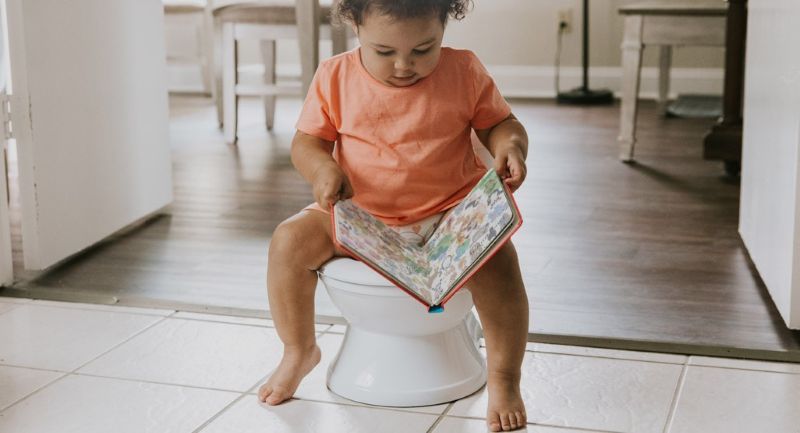
Tips and advice for supporting children with toilet and potty training.

Local activities and groups for parents, babies and children.

Family Hubs are a welcoming place which provide help and support including parenting groups, midwifery appointments, stay and play sessions and much more.
Is your little one starting school in September? Are you wondering if they are ready? Worcestershire's libraries is here to support the journey!