Engaging with children and young people (SEND co-production)

Engaging with children and young people (SEND co-production)

Advice and tips for engaging with children and young people with SEND.

For many children and young people with special educational needs and disabilities (SEND), being involved in decision making processes can be an empowering experience. However, in order to make sure that this involvement is meaningful, steps should be taken to ensure that children and young people feel comfortable and confident, and that their input is valued and respected.

Why is a child's voice important?

It is a legal right for children to be involved in decisions that affect them.

Article 12

Article 12 of the UN Convention on the Rights of the Child respects the views of the child.

Every child has the right to express their views, feelings and wishes in all matters affecting them, and to have their views considered and taken seriously. 

Education Act 2002 

Requires schools to have regard to guidance on consulting with pupils about decisions that affect them.

Children’s and Family Act 2014 (Part 3)

The Children and Families Act focuses on putting children and young people at the heart of planning and decision making through co-production and person-centred practice. 

The importance of the child and his or her parent, or the young person, participating as fully as possible in decisions relating to help[ing] him or her achieve the best possible educational and other outcomes.

SEND code of practice

Emphasizes children's right to be heard and participate in decisions affecting them, requiring professionals to actively listen to and consider their views, wishes, and feelings. It mentions the right to be heard, to be included in decision making and to have support to express themselves, if needed.

Engaging with children and young people with SEND
Quotes from young people with SEND

We asked a young person with SEND:

"Why is it important to listen to young people?” 

This was their response:

“It is important to listen to young people because we don't want to be left out of conversation about our care or support, no decision about us without us because we are the ones who have to live with the consequences of your decisions and if your decisions were not made in our best interest then that can have a detrimental impact on our lives!”

Below are quotes that young people have said. They were asked:

 "What do you need to be able to share your voice?"

  • “Don't treat me like I am stupid' - person centred approach e.g. accessible language; use of symbols; age-appropriate language”
  • “A good relationship with the person/ people I am talking to”
  • “Genuinely listening to what I have said, not what you think I said”
  • “To feel believed and like the people listening want to understand”
  • “Feedback to me where my information has been used”
  • “Ask the young person about themselves and their experiences”

Top tips for engaging with children and young people

Here are some more top tips when engaging children and young people:

  • listen to their views and respect them 
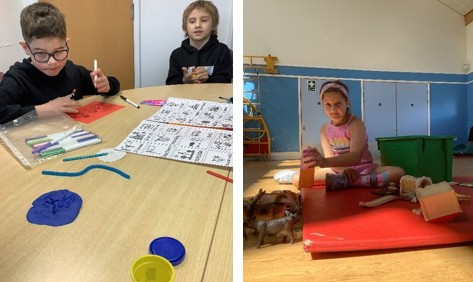
  • get creative at meetings e.g. use toys and different methods to communicate
  • be open minded, really listen, be empathetic and be aspirational
  • use language they can understand
  • give them time to think and understand 
  • involve them throughout the process
  • provide the support and training they need to be part of the process
  • ask them how they would like to be involved and communicated with 
  • ask them where they would feel most comfortable to share their views
Was this page useful?